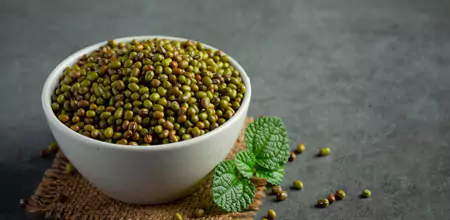
- Introduction: Why Mung Bean Belongs in Your Pantry
- What Is Mung Bean?
- Nutrition Snapshot
- Potential Benefits and Everyday Wellbeing
- Buying Guide: Whole, Split, and Sprouted
- Preparation Basics: Soaking, Cooking, Sprouting
- Cooking Methods with Timings
- Flavor Pairings and Pantry Partners
- Simple Recipe Ideas
- Sprouting at Home: Step-by-Step
- Storage & Food Safety
- Sustainability & Farming Notes
- Culinary Cultures & Global Dishes
- Frequently Asked Questions
- Glossary
1) Introduction: Why Mung Bean Belongs in Your Pantry
Mung bean—often called green gram or moong—is a small but mighty legume that fits into countless cuisines. It cooks faster than many other beans, tastes pleasantly mild, and works in both savory and sweet dishes. From comforting dals and nourishing soups to crisp salads and vibrant sprouts, mung bean is versatile, budget-friendly, and simple to use.
Home cooks appreciate mung beans because they adapt to many flavors. If you like minimal prep, whole mung can be cooked without fuss for a wholesome meal. When time is tight, split mung (with or without skin) softens quickly and gives a creamy texture. If you prefer fresh crunch, mung bean sprouts add brightness to stir-fries and salads. This guide gathers practical tips to help you buy, cook, and enjoy mung beans every day.
2) What Is Mung Bean?
Mung bean (Vigna radiata) is a member of the legume family. It is common across South Asia and Southeast Asia and has traveled widely, appearing in Middle Eastern, East Asian, and increasingly global kitchens. You may find it labeled as “green gram,” “moong,” or “mung.” Processed forms include split mung (moong dal) and de-hulled split mung (yellow moong dal).
Common Forms
- Whole mung bean: green skin, soft yellow interior, holds shape well.
- Split mung (with skin): cooks faster, slightly earthy flavor.
- Split & de-hulled (yellow moong dal): very quick-cooking, creamy texture.
- Sprouted mung: crisp, juicy, and refreshing.
- Flour (moong flour): used for batters, pancakes, and noodles in some cuisines.
Look & Taste
- Mild, clean flavor that absorbs spices and aromatics beautifully.
- Creamy when cooked down; pleasantly firm if cooked just until tender.
- Sprouts are crunchy and slightly sweet.
3) Nutrition Snapshot
Like other legumes, mung beans are known for a balanced mix of plant protein, dietary fiber, and complex carbohydrates. They also offer minerals (such as iron and potassium) and B-group vitamins. The nutrition profile can vary with form (whole vs. split vs. sprouted) and cooking method. Generally:
- Protein: Mung beans provide plant-based protein suitable for a variety of diets.
- Fiber: Supports a satisfying texture and can help keep meals filling and balanced.
- Micronutrients: Noted for minerals such as iron, magnesium, and potassium, plus B vitamins like folate.
- Sprouts: Fresh sprouts are light and hydrating, adding crunch with a mild flavor.
4) Potential Benefits and Everyday Wellbeing
Mung beans have been enjoyed for centuries in traditional diets, and modern nutrition research highlights several reasons why they are worth including in a balanced eating pattern. While food is not medicine and individual results vary, many people appreciate mung beans for the following reasons:
- Plant Protein: A good choice for those looking to diversify protein sources beyond meat, fish, or dairy.
- Gentle on Digestion: Split and skinned mung (yellow moong dal) is considered one of the easiest legumes to digest.
- Satiety & Balance: The fiber–protein combination can help make meals more satisfying.
- Versatile in Diet Styles: Fits into vegetarian, vegan, gluten-free, and many cultural food traditions.
- Traditional Uses: In Ayurveda and traditional Asian practices, mung beans are often valued for being light, cooling, and easy on the stomach.
5) Buying Guide: Whole, Split, and Sprouted
When shopping for mung beans, you’ll usually find these main forms:
- Whole dried mung beans: Usually sold in bulk bins or 1 kg bags. Look for beans that are even in color and size.
- Split mung (with or without skin): Found in Indian, Asian, and health food stores. They cook faster than whole beans.
- Sprouted mung beans: Sometimes available fresh in the refrigerated section. Best eaten quickly for freshness.
- Moong flour: Used in batters for pancakes, noodles, or baked goods in some cuisines.
Tip: If buying in bulk, store mung beans in an airtight container to keep them fresh and bug-free.
6) Preparation Basics: Soaking, Cooking, Sprouting
Cooking mung beans is straightforward, but a few basic practices improve flavor and digestibility:
- Soaking: Whole beans benefit from 3–4 hours of soaking, which reduces cooking time and makes them softer. Split mung dal generally does not require soaking.
- Boiling: After soaking, cook in plenty of water until tender. Skim any foam that rises to the top.
- Sprouting: Whole mung beans can be sprouted at home in 1–2 days for crunchy, fresh sprouts.
7) Cooking Methods with Timings
Mung beans adapt well to multiple cooking techniques:
- Boiling (whole mung): 30–40 minutes (unsoaked), 20–25 minutes (soaked).
- Split mung dal: 15–20 minutes without soaking.
- Pressure cooker / Instant Pot: Whole mung softens in about 10 minutes under pressure; split mung in 5–7 minutes.
- Sprouts stir-fry: Only 2–3 minutes to retain crunch.
Seasoning tip: Add salt toward the end of cooking to help the beans soften properly.
8) Flavor Pairings and Pantry Partners
Mung beans have a neutral, pleasant flavor that pairs with many ingredients:
- Spices: Cumin, turmeric, coriander, ginger, garlic.
- Herbs: Cilantro, curry leaves, mint, parsley.
- Vegetables: Spinach, carrots, zucchini, tomatoes, onions.
- Carbs: Rice, flatbreads, quinoa, millet.
- Extras: Lemon, coconut, sesame seeds, yogurt.
9) Simple Recipe Ideas
You don’t need to be a professional cook to enjoy mung beans. Here are some everyday ideas:
Mung Dal Soup
Cook split mung dal with onions, tomatoes, ginger, turmeric, and cumin. Simmer until creamy and serve with rice or flatbread.
Sprouted Mung Salad
Mix fresh sprouts with cucumber, onion, tomato, lemon juice, and a pinch of salt. A refreshing side dish.
Mung Bean Porridge
Simmer mung beans with rice and mild spices until soft. Great as a gentle breakfast or comfort meal.
Mung Pancakes (Chilla)
Blend soaked mung beans with ginger, garlic, and green chili to form a batter. Cook on a skillet like a pancake.
Stir-Fried Sprouts
Quickly fry mung bean sprouts with sesame oil, soy sauce, and scallions for a light side dish.
10) Sprouting at Home: Step by Step
Sprouting mung beans at home is simple and rewarding. Here’s how you can do it safely:
- Rinse: Wash ½ cup mung beans thoroughly.
- Soak: Place beans in a bowl, cover with 2–3 cups of water, and soak overnight.
- Drain: In the morning, drain and rinse the beans.
- Sprout: Place in a sprouting jar or colander. Cover lightly with a cloth to keep dust away.
- Rinse Daily: Twice a day, rinse and drain to prevent dryness and spoilage.
- Ready to Eat: In 24–48 hours, small white shoots appear. Sprouts are now ready to eat raw or lightly cooked.
Tip: Keep sprouts refrigerated once ready, and consume within 2–3 days for freshness.
11) Cultural Uses of Mung Beans
Mung beans hold an important place in many cultures across Asia and beyond:
- India: Used in dal, khichdi, halwa, and sprout salads.
- China: Enjoyed in sweet desserts, cooling summer drinks, and noodles.
- Southeast Asia: Found in soups, fritters, and fillings for pastries.
- Korea: Ground into flour for pancakes like “bindaetteok.”
- Global Health Food Movement: Valued as a vegan protein and sprouting staple.
12) Storage Tips
To keep mung beans at their best:
- Store dry beans in an airtight container in a cool, dry place.
- Once cooked, refrigerate in a covered container for 3–4 days.
- Sprouts should be eaten within 2–3 days of sprouting.
- Avoid storing near moisture, as mung beans can easily attract insects or mold.
13) Frequently Asked Questions (FAQ)
Q1: Are mung beans the same as green lentils?
No. Mung beans are small, round, and green with a mild taste. Green lentils are larger, flatter, and have a different flavor and cooking profile.
Q2: Can mung beans be eaten raw?
Cooked mung beans are safest and easiest to digest. Raw mung sprouts can be eaten fresh, but they should be rinsed well and consumed quickly for safety.
Q3: Is mung dal different from mung bean?
Yes. Mung dal is simply mung beans that have been split, sometimes skinned. They cook faster and have a softer texture.
Q4: Are mung beans gluten-free?
Yes. Mung beans are naturally gluten-free, making them suitable for gluten-sensitive diets.
Q5: How do mung beans compare with chickpeas?
Mung beans are lighter, cook faster, and have a milder taste. Chickpeas are denser and nuttier. Both are excellent plant-based proteins.
14) Glossary of Terms
- Mung Bean:
- A small green legume also called “Green Gram.”
- Mung Dal:
- Split mung beans, with or without skin.
- Sprouting:
- The process of germinating beans by soaking and draining until they form shoots.
- Khichdi:
- An Indian comfort dish made with rice and lentils (often mung dal).
15) Conclusion
Mung beans, also known as green gram, are more than just another legume — they are a bridge between ancient traditions and modern healthy living. Affordable, versatile, and nourishing, mung beans fit easily into countless recipes from soups and salads to pancakes and desserts. Their gentle nature, high adaptability, and balanced nutrition make them a kitchen essential worth rediscovering.
Whether you enjoy them sprouted, cooked into dal, or mixed into global fusion dishes, mung beans are proof that simple foods can bring lasting benefits and joy to the table.